
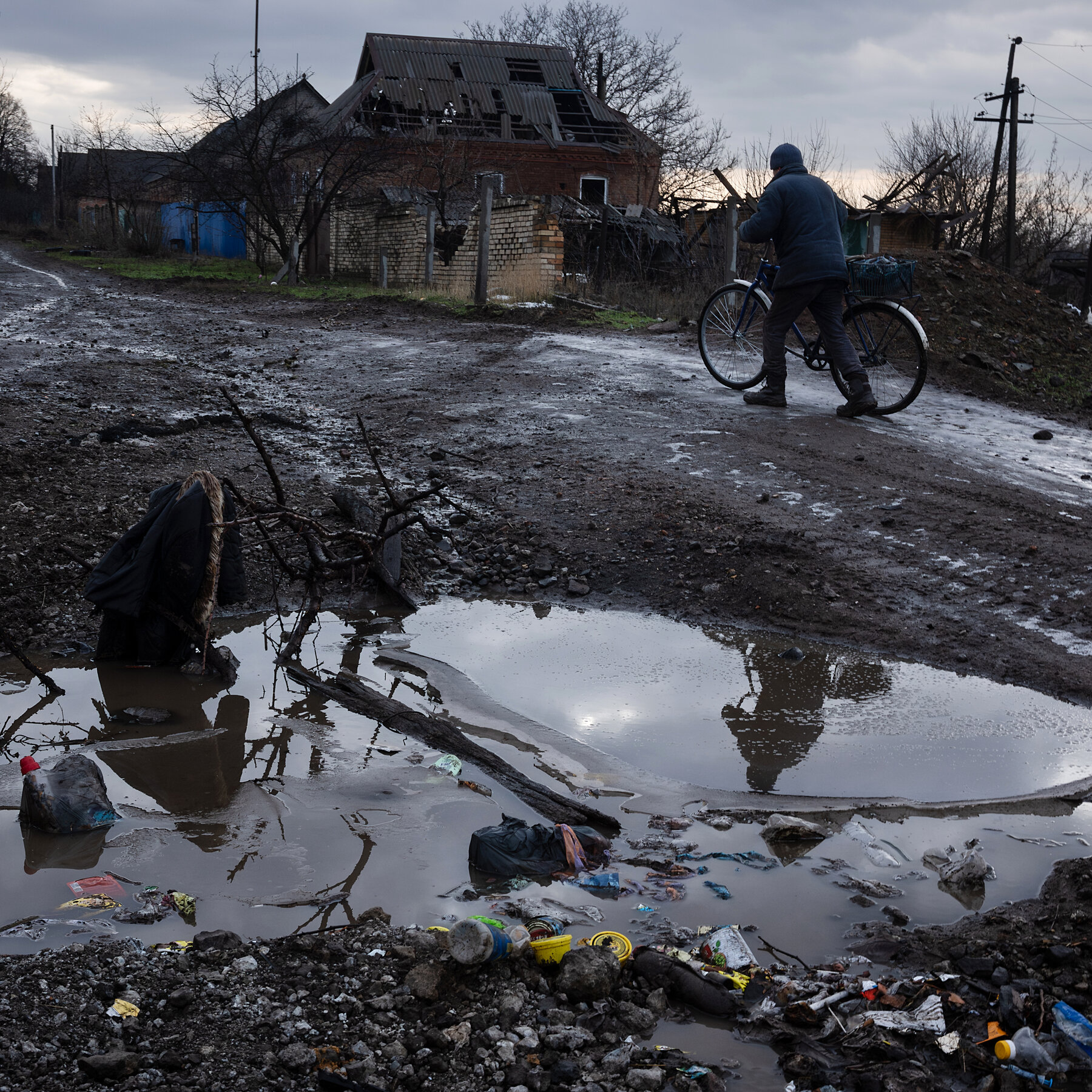
SKIP TO CONTENT SKIP TO SITE INDEX Section Navigation Search SUBSCRIBE FOR €0.50/WEEK LOG IN Early this year on the outskirts of Kostiantynivka, Ukraine, which has been bombed consistently. Credit... Tyler Hicks/The New York Times NEWS ANALYSIS Deadlocked Wars: How Major Powers Misread the Regions They Attacked Russia and the United States projected their own centralized views onto Ukraine and Iran, analysts said.
As a result, the smaller countries trapped larger ones in a costly confrontation. Early this year on the outskirts of Kostiantynivka, Ukraine, which has been bombed consistently. Credit... Tyler Hicks/The New York Times Listen · 9:29 min Share full article By Neil MacFarquhar June 14, 2026 President Trump and his Russian counterpart, Vladimir V.
Putin, both resist the idea that ostensibly weaker powers fought them to a stalemate, with the two leaders leaning on negotiations to win the capitulation that they failed to secure in battle. Iran and Ukraine have pushed back robustly against this “might makes right” mentality, with top officials adopting an even more defiant tone in recent days.
In an open letter to Mr. Putin this month, President Volodymyr Zelensky of Ukraine derided Mr. Putin for clinging to power as he aged. “You did not expect full-scale resistance from Ukraine, and you did not foresee that things would go this far,” Mr. Zelensky wrote.
ADVERTISEMENT SKIP ADVERTISEMENT After Iran unleashed a missile barrage against Israel last week in retaliation for attacks against Hezbollah in Lebanon, Mohammad Bagher Ghalibaf, the speaker of Parliament and Iran’s top negotiator, threatened more. “Until there is a sincere commitment to restoring trust, Iran’s response will not change,” he wrote on X.
Image People taking shelter in Ramat Gan, Israel, last week after air raid sirens warned of incoming Iranian missiles. Credit... Oded Balilty/Associated Press Their recalcitrance reflects the reality of two wars in stasis, with a profound lack of trust all around stymying progress.
Subscribe to The Times to read as many articles as you like. Neil MacFarquhar has been a Times reporter since 1995, writing about a range of topics from war to politics to the arts, both internationally and in the United States. See more on: Russia-Ukraine War, Vladimir Putin, Donald Trump, Volodymyr Zelensky Share full article Related Content ADVERTISEMENT SKIP ADVERTISEMENT Site Index Site Information Navigation © 2026 The New York Times Company NYTCoContact UsAccessibilityWork with usAdvertiseT Brand StudioPrivacy PolicyCookie PolicyTerms of ServiceTerms of SaleSite MapHelpSubscriptionsManage Privacy Preferences To leave without signing in, use your browser's Back button.
Enjoy unlimited access to all of The Times. See subscription options